


Every business owner I sit down with wants to talk tactics first. Should I be doing reels? Is it time for Google Ads? Do I need a podcast? Should I rebuild the website? I get why. Tactics feel like action, and action feels better than admitting you don't actually know who you're selling to. But I've watched enough businesses burn money on the wrong tactic to know that none of it matters if the foundation underneath it is weak. I built a business from nothing into a team of three, and later worked as part of a three-person team taking large-scale land subdivisions from raw dirt to finished product. Different industries, same lesson: get the fundamentals locked in before you spend a cent on execution, because a subdivision built on a swamp and a marketing plan built on vibes fail in roughly the same way.
When it comes to small business marketing, there are only three things that actually matter before you touch a platform. The market. The message. The channel. Get those three right, in that order, and the tactics look after themselves. Get them wrong and you're just a very confident stranger yelling into the void with a budget.
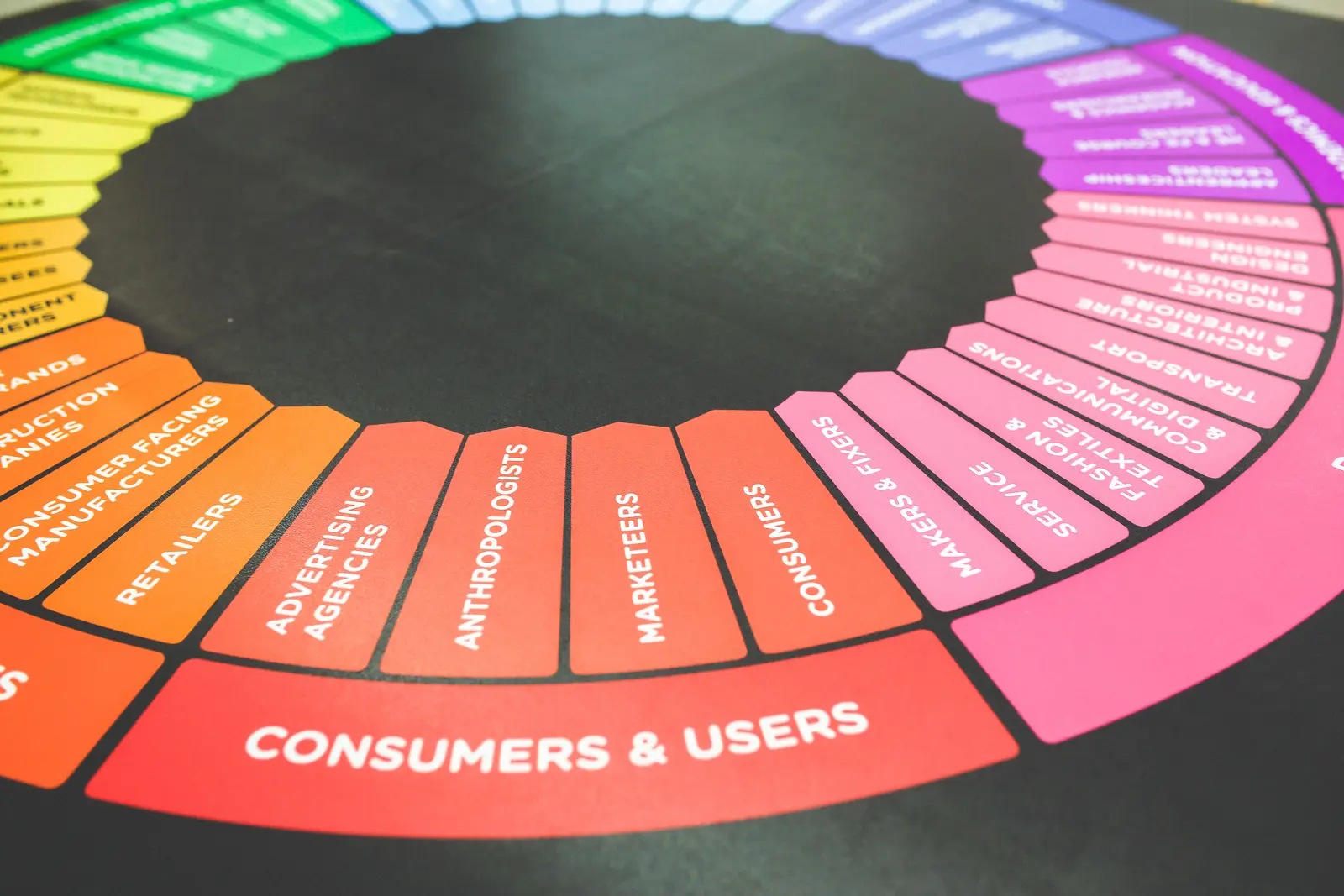
1. The Market
Your market isn't a demographic. It's a group of people with a problem they already care about, right now. I don't need a 40-page customer profile with someone's coffee order on it, their star sign, and a stock photo of them laughing at a salad. I need to know their buying situation. What's happened in their life or business that's made this problem urgent? What have they already tried, and why didn't it work? What are they actually worried about? What does a good outcome look like from their side of the table, not yours?
Think about a homeowner with a burst pipe at 10pm compared to someone casually thinking about renovating their bathroom next year. Both need a plumber eventually. One of them needs you in the next hour and doesn't care what you charge, they'd pay in loose change and gratitude. The other is comparing quotes and wants to feel confident before they commit. Same trade, same skill set, completely different market. If you're marketing to both with the same message, you're wasting your money on at least one of them, and probably annoying the other.
2. The Message
This is where I see the most damage done. Business owners lead with themselves. Years of experience, qualifications, the gear they use, their values as a company, sometimes a company history that reads like a wedding speech. All of that has a place, but it comes second. The customer needs to know you understand their problem before they care about any of that.
A message that actually works answers four things plainly: who it's for, what problem you solve, what outcome you help create, and why they should believe you. That's it. Not clever. Not cute. If someone has to sit there and work out what you mean, you've already lost them, they're not doing homework for your homepage. I'd rather have a plain message that lands than a smart one that makes people think twice.

3. The Channel
The channel is just where you put the message in front of the market, and there's no universal best answer here, no matter how confidently the bloke at the networking breakfast tells you TikTok is the only thing that matters now. Google Search works when people already know they've got a problem and are actively looking for someone to solve it, which is exactly why Google Ads, for when the market is actively searching can work so well. Meta is different. It works when your customer hasn't gone looking yet, but they'll recognise the problem the moment it's put in front of them, which is the whole point behind Meta Ads, for when you need to create the demand yourself. Email earns its keep when trust and follow-up matter over time. Referrals work when your existing customers can explain, in one clean sentence, exactly who you help, not a vague mumble about "that business thing you do."
The channel is never the starting point. It's the last decision, not the first, and treating it as the first is how perfectly good businesses end up with a TikTok strategy and no message worth dancing about.

Diagnosing What's Actually Broken
When small business marketing isn't working, most owners react by changing everything at once. New website, new ads, new content calendar, all in the same month, like rearranging the deck chairs and also setting them on fire. That's guessing, not diagnosing. Instead, work out which of the three is actually failing.
If the right people are seeing your offer and doing nothing, your message or your offer is weak. If people buy the moment they get you on the phone but you're not getting enough conversations, your channel or your reach is the problem. And if you've got plenty of enquiries but they're from people who can't afford you or aren't a fit, your market is wrong, not your marketing, and no amount of ad spend fixes talking to the wrong people louder.
I mentored a fencing contractor a while back who was convinced his website was the issue. He'd had three different builds in two years, chasing the "professional look," which mostly meant paying three different web designers to rearrange the same six sentences. Turned out the site was fine. His problem was his market: he was running ads broadly across a whole region when 80 percent of his best jobs came from three specific suburbs where new estates were going up. Once we narrowed the market and rewrote the message around "your fence, done before your turf goes in," his enquiry rate barely moved but his close rate doubled, because the people asking were actually his people. He didn't need a new website. He needed to stop guessing which of the three parts was broken.
Try This This Week
TRY THIS THIS WEEK: Pull up your last ten enquiries or sales conversations. For each one, write down what specific situation triggered them to reach out to you right then, not in general, but that week. If you can't answer that for at least seven out of ten, you don't have a market problem you can see yet, you have a data problem, and that's the first thing to fix before you touch your message or your channel again. It's less fun than launching a new ad, but so is watching that new ad burn through your budget for nothing.
None of this is complicated, and that's the point. Small business marketing isn't magic and it isn't about being everywhere at once. It's a system: put a relevant message in front of the right people, and give them a sensible next step. Get the market and the message right first, and the channel decision gets a lot easier. Once those three are locked in, the next job is turning that message into an actual lead generation system that runs without you having to reinvent it every month.
I built my first business on fundamentals like this, not on chasing whatever tactic was trending that year. It's the same discipline I bring into every mentoring session now. Get the basics right, in order, and the rest of it stops feeling like guesswork and starts feeling like a plan you didn't get off a podcast.
If you're still working out who that "right person" actually is before you spend another dollar reaching them, that's worth locking down first, before another ad platform politely takes your credit card details. How to Find a Profitable Business Niche covers exactly that.
Common Questions
What three things actually matter before running any marketing tactic?
The market, who has the problem and cares right now, the message, what you solve and why to believe you, and the channel, where to put that message, in that order.
How do I diagnose what's actually broken in my marketing?
If people see your offer and do nothing, your message or offer is weak. If you're not getting enough conversations, your channel or reach is the problem. If you get enquiries from the wrong people, your market is wrong.
Should I lead with my experience and qualifications?
No, lead with the customer's problem. Your experience and qualifications matter, but they come after the customer feels understood, not before.